
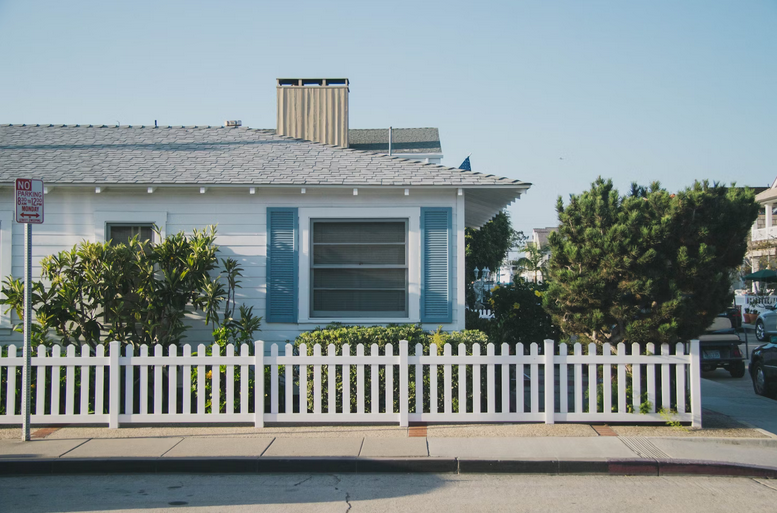
Buying a new home is an exciting milestone and a significant investment that requires careful consideration. Beyond location, price, and aesthetics, one of the most critical factors to assess is the safety and healthiness of the property. A home that appears perfect on the surface may hide potential health hazards that could affect your well-being over time. Before you consider picking a unit from Oakville’s newest condos for sale, it’s advisable to know how to ensure your house offers a healthy environment. From mold and asbestos to radon and poor air quality, various factors can compromise the safety of your new home. Here are some essential steps to ensure your new home is not a health hazard.
Conduct a Comprehensive Home Inspection
Hiring a certified home inspector is one of the first and most crucial steps in ensuring your new home is safe. A professional inspection will help identify any existing or potential health hazards, such as structural issues, water damage, mold, pests, or faulty wiring. Home inspectors use specialized tools and techniques to assess the property’s overall condition, including the foundation, roof, plumbing, and electrical systems. Make sure to choose an inspector with experience identifying environmental hazards, such as radon, asbestos, and lead-based paint, especially if you are purchasing an older home. Review the inspection report carefully and address any concerns before finalizing the purchase.
Test for Mold and Mildew
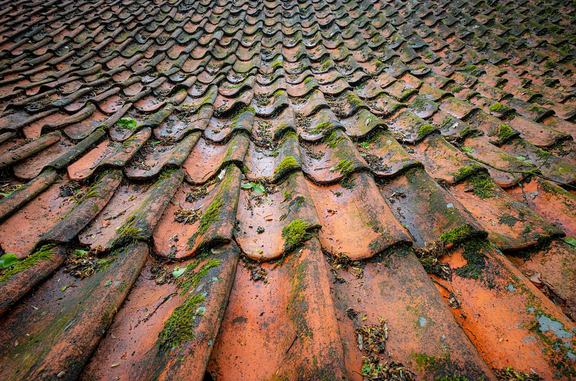
Mold and mildew are common health hazards in homes, especially in areas with high humidity or water damage. Mold spores can trigger allergic reactions, asthma attacks, and other respiratory issues, making it essential to check for their presence. During the inspection, ask your inspector to check for visible signs of mold in areas prone to moisture, such as basements, bathrooms, attics, and around windows. If there is evidence of mold, consider hiring a mold remediation specialist to assess the severity of the problem and provide solutions. Additionally, installing dehumidifiers and maintaining proper ventilation can help prevent mold growth.
Check for Asbestos and Lead
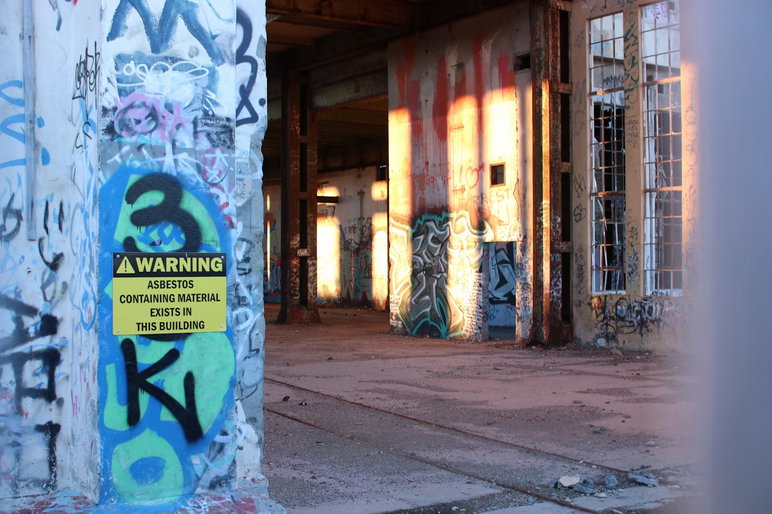
Asbestos and lead are hazardous materials commonly found in older homes. Asbestos, often used in insulation, floor tiles, and roofing materials, can cause severe respiratory diseases, including lung cancer, when inhaling its fibers. Lead, typically found in old paint, pipes, and plumbing fixtures, can lead to lead poisoning, which is particularly dangerous for children and pregnant women. Testing for both asbestos and lead is essential if you purchase a home built before the 1980s. Hire a licensed professional to conduct these tests and remove hazardous materials safely. Never attempt to handle or remove asbestos or lead-based materials on your own, as improper handling can increase the risk of exposure.
Test for Radon Gas
Radon is a colorless, odorless, radioactive gas that can seep into homes from the soil through cracks in the foundation or walls. Long-term radon exposure is the second leading cause of lung cancer, making it a significant health concern. Since radon is undetectable without specialized equipment, testing for it should be a priority, especially if the home is in an area known for high radon levels. You can purchase a DIY radon test kit or hire a certified radon inspector to conduct a more comprehensive test. If elevated levels of radon are detected, mitigation measures, such as sealing cracks and installing a radon reduction system, can help reduce radon concentrations to safe levels.
Ensuring that your new home is not a health hazard involves thorough inspections, testing, and proactive measures. By conducting a comprehensive home inspection, testing for mold, asbestos, lead, radon, and air quality, checking for pests, and evaluating the structural integrity, you can identify and address potential risks before they become serious problems. These steps will help you create a safe, healthy living environment for you and your family, protecting your well-being and investment in your new home.
Leave a Reply